
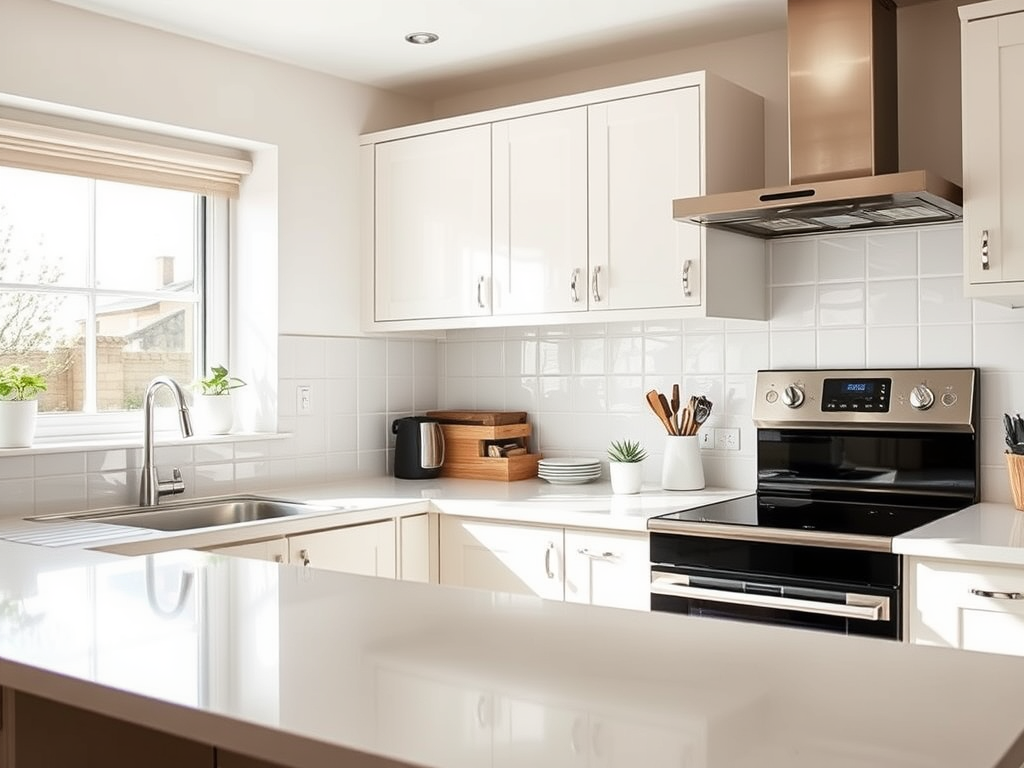
Ultimate End of Tenancy Cleaning Guide Liverpool
Moving out of a rented property can be stressful. Between packing, organising removals, managing utility bills, and preparing for inspections, cleaning is often one of the biggest concerns for tenants across Liverpool. Whether you live in a student house in Wavertree, a city-centre apartment near the Baltic Triangle, or a family rental in Allerton, landlords and letting agents expect properties to be returned in excellent condition. A poor final clean is one of the most common reasons tenants lose part of their deposit. This complete guide explains everything you need to know about end of tenancy cleaning in Liverpool, including what landlords check, what should be cleaned before moving out, common deposit deduction mistakes, and how professional cleaning can help tenants secure their full deposit return.
What Is End of Tenancy Cleaning?
End of tenancy cleaning is a deep clean carried out when tenants move out of a rental property. The purpose is to restore the property to the condition it was in at the start of the tenancy, allowing landlords or letting agents to prepare it for new tenants.
Unlike regular weekly cleaning, end of tenancy cleaning involves:
- Deep kitchen cleaning
- Oven degreasing
- Bathroom descaling
- Carpet cleaning
- Dust removal throughout the property
- Appliance cleaning
- Wall spot cleaning
- Skirting board cleaning
- Internal window cleaning
- Removal of rubbish and leftover belongings
Liverpool landlords and estate agents typically conduct detailed inspections before returning deposits, especially in student accommodation and shared houses.
Why End of Tenancy Cleaning Matters
For many tenants, the tenancy deposit represents a significant amount of money. One of the most common causes of deposit deductions is insufficient cleaning.
Landlords may charge tenants for:
- Dirty ovens
- Carpet stains
- Bathroom mould
- Grease build-up
- Limescale
- Dust accumulation
- Bad smells
- Rubbish left behind
- Marks on walls
- Pet hair
In busy rental areas such as Kensington, Smithdown Road, and Liverpool City Centre, letting agents often use detailed inventory checklists during inspections.
Professional end of tenancy cleaning helps tenants:
- Improve chances of full deposit return
- Reduce landlord complaints
- Save time during moving
- Avoid additional cleaning charges
- Leave the property in excellent condition
End of Tenancy Cleaning Checklist
A proper end of tenancy clean should cover every room thoroughly. Below is a complete checklist used by many professional cleaners.
Kitchen Cleaning Checklist
The kitchen is one of the most heavily inspected areas during move-out inspections.
Tasks include:
- Deep clean oven interior and trays
- Degrease hob and extractor fan
- Clean microwave inside and outside
- Wipe kitchen cupboards and drawers
- Remove food debris
- Disinfect worktops
- Clean sink and taps
- Remove limescale
- Mop floors
- Empty bins
- Clean fridge and freezer
- Wipe splashbacks and tiles
- Remove grease from surfaces
Dirty ovens are one of the leading reasons landlords deduct money from deposits.
Bathroom Cleaning Checklist
Bathrooms require deep descaling and sanitising.
Tasks include:
- Remove limescale from taps and shower screens
- Clean toilet thoroughly
- Scrub tiles and grout
- Remove mould from sealant
- Polish mirrors
- Clean sinks and baths
- Mop floors
- Wipe cupboards and shelves
- Remove soap residue
- Clean extractor fans
Mould and limescale are especially common in older Liverpool rental properties.
Bedroom Cleaning Checklist
Bedrooms should be cleaned from top to bottom.
Tasks include:
- Dust skirting boards
- Wipe wardrobes and drawers
- Vacuum carpets
- Remove cobwebs
- Clean internal windows
- Wipe doors and handles
- Dust light fittings
- Clean mirrors
- Remove marks from walls where possible
Living Room Cleaning Checklist
Tasks include:
- Vacuum sofas and carpets
- Dust surfaces
- Clean windows
- Wipe skirting boards
- Remove stains where possible
- Clean underneath furniture
- Dust radiators
- Polish tables and units
Hallways and Staircases
Tasks include:
- Vacuum carpets
- Remove dust from corners
- Wipe handrails
- Clean light switches
- Dust skirting boards
- Remove marks from walls
What Liverpool Landlords Check During Inspections
Many tenants underestimate how detailed final inspections can be.
Liverpool landlords and letting agents often inspect:
- Oven cleanliness
- Carpet condition
- Bathroom mould
- Smells or odours
- Dust on surfaces
- Appliance cleanliness
- Marks on walls
- Window cleanliness
- Bin areas
- Leftover belongings
- Fridge hygiene
- Grease build-up
Student accommodation inspections are often especially strict because properties experience heavier wear and tear.
Common Reasons Tenants Lose Deposits
Understanding common mistakes can help tenants avoid unnecessary charges.
Dirty Ovens
Burnt grease and food residue are frequently flagged during inspections.
Carpet Stains
Spills, pet stains, and heavy foot traffic can leave visible marks.
Mould Build-Up
Bathrooms and bedrooms with poor ventilation often develop mould.
Rubbish Left Behind
Leaving unwanted furniture, food, or rubbish bags may result in removal fees.
Greasy Kitchens
Grease on cupboards, splashbacks, and extractor fans is commonly missed by tenants.
Bad Odours
Smoke smells, pet odours, and food smells can trigger complaints.
Professional vs DIY End of Tenancy Cleaning
Some tenants choose to clean properties themselves, while others hire professional cleaners.
DIY Cleaning Advantages
- Lower upfront cost
- Flexible timing
- Suitable for smaller properties
DIY Cleaning Challenges
- Time-consuming
- Difficult to achieve professional standards
- Oven and carpet cleaning can be difficult
- Higher risk of missed areas
Professional Cleaning Advantages
- Thorough deep cleaning
- Experienced cleaners
- Specialist products and equipment
- Saves time during moving
- Reduces risk of deposit deductions
For larger properties, shared houses, or heavily used student accommodation, professional cleaning is often more efficient.
How Much Does End of Tenancy Cleaning Cost in Liverpool?
Prices vary depending on:
- Property size
- Number of bedrooms
- Condition of the property
- Carpet cleaning requirements
- Oven cleaning requirements
- Additional services
Typical Liverpool pricing ranges:
| Property Type | Estimated Cost |
|---|---|
| Studio apartment | £80–£120 |
| 1-bedroom flat | £100–£150 |
| 2-bedroom property | £140–£220 |
| 3-bedroom house | £200–£350 |
Properties requiring extensive deep cleaning may cost more.
End of Tenancy Cleaning for Students in Liverpool
Liverpool has a large student population, especially around:
- Wavertree
- Kensington
- Smithdown Road
- Edge Hill
- Liverpool City Centre
Student properties often require more intensive cleaning due to:
- Shared kitchens
- High occupancy
- Frequent turnover
- Heavy appliance usage
Students can improve deposit return chances by:
- Starting cleaning early
- Dividing tasks fairly
- Removing rubbish before inspections
- Cleaning appliances thoroughly
- Checking tenancy agreements carefully
Moving Out Cleaning Timeline
Planning ahead makes moving less stressful.
2–3 Weeks Before Moving
- Declutter belongings
- Remove rubbish
- Book professional cleaning if needed
- Check tenancy agreement
1 Week Before Moving
- Deep clean unused rooms
- Wash walls and skirting boards
- Clean windows
- Organise boxes
Final 1–2 Days
- Clean kitchen appliances
- Vacuum throughout property
- Mop floors
- Empty bins
- Final wipe-down
Tips for Passing Your Final Inspection
Take Photos
Photograph every room after cleaning.
Keep Receipts
If using professional cleaners, retain invoices.
Check Inventory Reports
Compare the property against the original inventory.
Focus on Kitchens and Bathrooms
These are inspected most closely.
Remove All Personal Belongings
Leftover items can result in removal fees.
Why Choose Professional End of Tenancy Cleaning?
Professional end of tenancy cleaning provides peace of mind during a stressful moving process.
Benefits include:
- Thorough property cleaning
- Improved deposit return chances
- Time savings
- Reduced stress
- Experienced cleaners
- Professional equipment
- Flexible appointments
Many tenants across Liverpool choose professional cleaning to ensure properties meet landlord expectations.
Frequently Asked Questions
Can landlords force professional cleaning?
Landlords cannot legally require professional cleaning unless stated clearly in the tenancy agreement. However, tenants must still return properties in a clean condition.
How clean should a rental property be before moving out?
The property should be returned in a condition similar to when the tenancy began, allowing for fair wear and tear.
Is carpet cleaning required?
Not always, but heavily stained carpets may require professional cleaning.
How long does end of tenancy cleaning take?
This depends on property size and condition. A full clean may take several hours or a full day.
Can tenants lose deposits because of cleaning?
Yes. Cleaning-related deductions are one of the most common tenancy disputes.
What areas do landlords inspect most closely?
Kitchens, bathrooms, ovens, carpets, and appliances are usually inspected carefully.
Is professional cleaning worth it?
For many tenants, especially in larger or heavily used properties, professional cleaning can reduce stress and improve deposit return chances.
End of Tenancy Cleaning Liverpool
Whether you are moving out of a student flat in Kensington, a shared house in Wavertree, or an apartment in Liverpool City Centre, thorough cleaning is essential before handing back keys.
A proper end of tenancy clean helps tenants:
- Protect deposits
- Reduce stress
- Meet landlord expectations
- Prepare properties for new tenants
If you are preparing for a move and need professional support, our Liverpool end of tenancy cleaning team can help restore your property to a high standard.
Contact us today for a free quote and flexible booking availability.


Leave a Reply