In our quest for a clean and healthy home, it’s easy to focus on visible messes like dirty floors, cluttered countertops, and dusty shelves. However, some of the dirtiest areas in your home are often the ones you least expect: doorknobs, remote controls, and light switches. These germ hotspots can harbour bacteria, viruses, and allergens that can affect your family’s health.
If you’ve been struggling to keep your home germ-free despite regular cleaning, it’s time to shift your focus to these overlooked surfaces. In this comprehensive guide, we’ll uncover why these areas matter, how they contribute to the spread of germs, and what you can do to clean them effectively.
The Problem: Hidden Germ Hotspots
It’s a common misconception that a visibly clean home is a germ-free home. High-touch surfaces like doorknobs, remotes, and light switches are touched multiple times a day by everyone in the household. These surfaces accumulate germs from hands, food, and airborne particles but are often skipped during routine cleaning.
Why It Matters:
- Germs from these hotspots can spread to other areas of your home, increasing the risk of illnesses.
- Some surfaces, like remote controls and light switches, can be harder to clean effectively, making them persistent sources of contamination.
- Overlooking these areas during cleaning defeats the purpose of creating a healthy living environment.
The good news is, with a little extra effort and the right techniques, you can tackle these hotspots and maintain a truly clean home.
The Culprits: Common Germ Hotspots in Your Home
1. Doorknobs and Handles
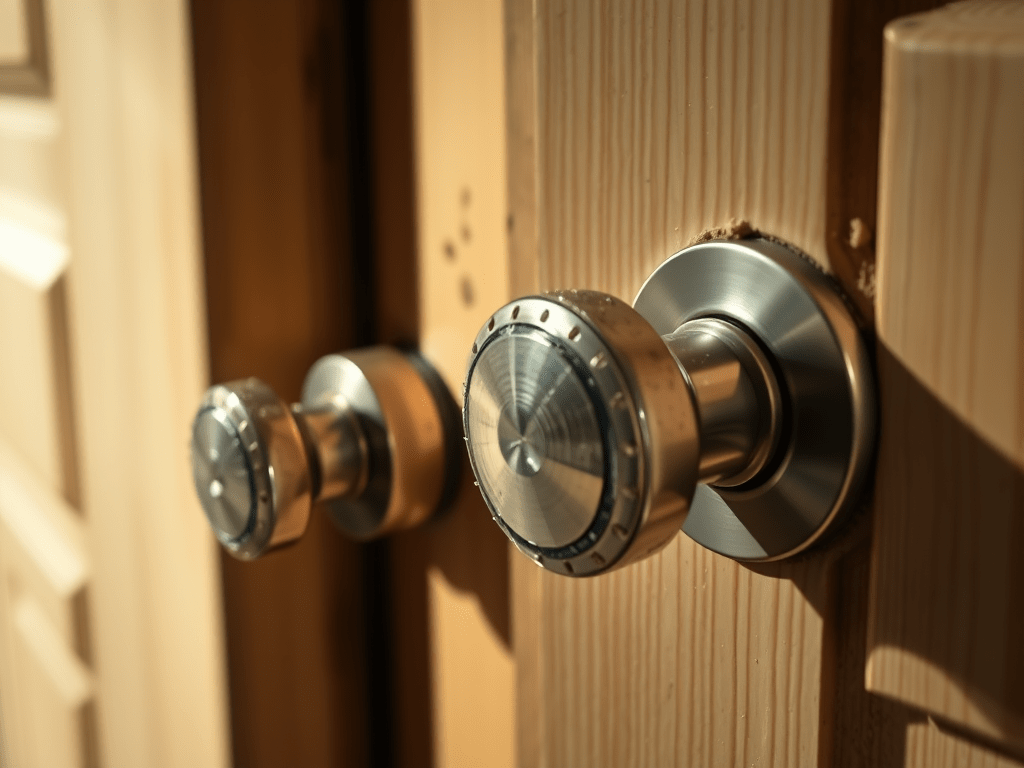
Doorknobs are touched every time you enter or leave a room, making them prime germ collectors. Hands transfer bacteria, viruses, and dirt, which linger on these surfaces.
- Health Risk: Germs on doorknobs can spread to hands, increasing the chance of infections like colds and the flu.
- Solution: Use a disinfectant wipe or spray to clean doorknobs and handles daily, especially during cold and flu season.
2. Light Switches
Light switches are among the most frequently used but least cleaned items in any home. They are often touched with dirty or greasy hands, particularly in shared spaces like kitchens and bathrooms.
- Health Risk: Accumulated grime can harbour bacteria and make cleaning harder over time.
- Solution: Wipe light switches weekly with a damp cloth and a mild disinfectant to remove germs and grime.
3. Remote Controls
Remote controls are handled by multiple people, often while eating or lounging on the sofa. They collect germs, food particles, and oils from hands.
- Health Risk: Remotes can carry more germs than a toilet seat if not cleaned regularly.
- Solution: Clean remote controls with alcohol-based wipes, ensuring you get into the buttons and crevices.
4. Kitchen Sponge and Sink
The kitchen sink and sponge are constantly exposed to food particles and moisture, creating a perfect environment for bacteria like E. coli to thrive.
- Health Risk: Sponges are a top germ hotspot, often harbouring more bacteria than any other household item.
- Solution: Disinfect sponges daily by microwaving them (if suitable) or soaking them in a bleach solution. Clean the sink thoroughly after each use.
5. Bathroom Fixtures
Handles, faucets, and flush buttons in the bathroom are frequently touched but often ignored during cleaning routines.
- Health Risk: These damp areas promote bacterial growth, spreading germs with every touch.
- Solution: Use a bathroom-safe disinfectant to clean these fixtures at least twice a week.
The Solution: How to Clean Germ Hotspots Effectively
1. Choose the Right Cleaning Products
To effectively kill bacteria and viruses, use EPA-approved disinfectants, alcohol-based wipes, or a homemade vinegar and water solution for non-porous surfaces.
2. Follow Proper Cleaning Techniques
- Blot, Don’t Rub: Blot stains or spills to avoid spreading germs.
- Contact Time Matters: Allow the disinfectant to sit on the surface for the recommended time before wiping.
- Don’t Forget Crevices: Use cotton swabs or a small brush to clean grooves and buttons.
3. Establish a Cleaning Routine
- Daily: Disinfect doorknobs, handles, and remotes.
- Weekly: Wipe down light switches and bathroom fixtures.
- Monthly: Deep clean carpets, rugs, and other infrequently touched surfaces.
4. Wash Your Hands Regularly
Keeping your hands clean is one of the simplest ways to reduce the spread of germs to high-touch surfaces. Encourage everyone in the household to wash their hands frequently, especially after returning home.
When to Call in the Professionals
While regular cleaning can handle most germ hotspots, some areas may require professional attention:
- Carpets and Rugs: Professional cleaning removes deeply embedded dirt and bacteria.
- Upholstered Furniture: Experts use specialised tools to clean and sanitise sofas, chairs, and cushions.
- Comprehensive Home Cleaning: A professional service ensures every corner of your home is spotless and hygienic.
The Benefits of Tackling Germ Hotspots
By addressing these overlooked areas, you’ll enjoy:
- A Healthier Home: Fewer germs mean a reduced risk of illness for your family.
- A Cleaner Appearance: No more grime or build-up on high-touch surfaces.
- Peace of Mind: Knowing your home is truly clean and safe.
Conclusion: A Cleaner Home Starts with the Details
Germ hotspots like doorknobs, light switches, and remote controls might be out of sight, but they shouldn’t be out of mind. Taking the time to clean these areas effectively can make a big difference in your home’s hygiene and your family’s health.
Need help with deep cleaning or tackling hidden germs? Contact Liverpool Cleaning Company today. Our expert team will ensure every surface in your home is sparkling clean and germ-free. Let us help you create a healthier living environment, one detail at a time!


 Liverpool Cleaning Company
Leave a comment